
A strong back is essential for posture, functional movement, and preventing discomfort or injury. Targeting the muscles of the upper, middle, and lower back helps support the spine, reduces strain on surrounding muscles, and alleviates pain caused by poor posture or prolonged sitting.
Why Back Strength Matters
The back muscles—including the lats, traps, rhomboids, and erector spinae—support the spine and stabilize the body during movement. Weakness in these muscles can lead to poor posture, muscle imbalances, and chronic pain. Strengthening your back improves alignment, reduces tension, and enhances performance in daily activities and exercise.
Upper-Back Strengthening Exercises
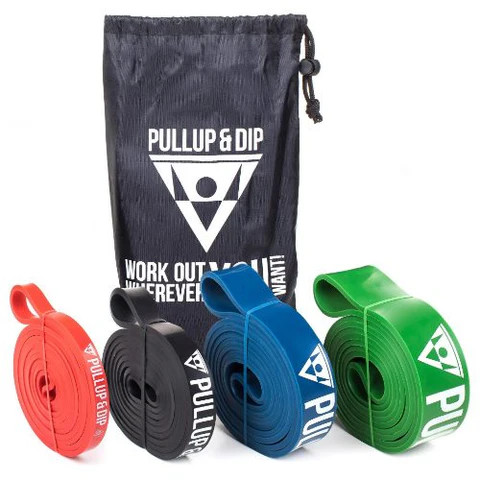
Band-assisted rows, reverse flies, and wall angels target the upper back and shoulders. Using pull-up resistance bandsfor assisted pull-ups or rows allows you to gradually build strength while learning to pull up resist controlled tension. These exercises improve scapular stability and shoulder alignment, reducing upper-back pain.
Lower-Back Strengthening Exercises
Glute bridges, bird-dogs, and supermans strengthen the lower back and core simultaneously. Slow, controlled movements ensure proper activation of spinal stabilizers, reducing the risk of injury. Incorporating resistance bands can increase tension safely and provide additional challenge for the lower back and glutes.
Posture and Mobility Work
In addition to strengthening, mobility exercises for the thoracic spine, shoulders, and hips support overall back health. Stretching tight muscles and improving joint range of motion reduces strain on the spine and complements strength training. Using pull-up resistance bands for gentle rows or lat stretches helps maintain flexibility while reinforcing controlled resistance.
Structuring a Back-Strengthening Routine
A 20–25 minute routine can include 5–6 exercises targeting upper back, lower back, and posture-supporting muscles. Perform 2–3 sets of 8–12 controlled repetitions. Focus on slow, deliberate movements and proper form to maximize engagement and reduce the risk of pain or injury.
Final Thoughts
Strengthening your back reduces pain, improves posture, and enhances overall functional fitness. Incorporating pull-up resistance bands allows you to safely pull up resist tension while building upper- and lower-back strength. Consistent practice promotes spinal stability, better posture, and a pain-free, active lifestyle.