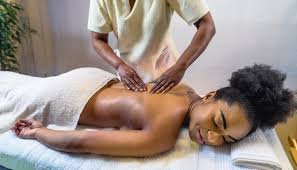
마사지 enthusiasts often compare Korean and Japanese Shiatsu when seeking pressure-point therapies, but while both focus on energy flow and holistic wellness, the techniques, philosophy, and experience differ significantly. Understanding these differences can help you choose the right approach for your body, mind, and lifestyle.
The Philosophy Behind the Pressure
Korean Massage & Energy Balance
Korean massage, particularly in its acupressure and Ki-focused traditions, emphasizes the flow of Gi, the vital life energy. Techniques are designed to unblock energy pathways, relieve muscular tension, and restore balance between mind and body. Korean approaches often blend soft stretching, rhythmic pressure, and herbal therapies to complement the massage.
Japanese Shiatsu & Meridian Therapy
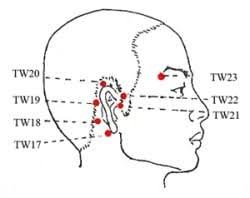
Japanese Shiatsu, which means “finger pressure,” is rooted in Traditional Chinese Medicine. Shiatsu practitioners apply targeted pressure along meridians to stimulate energy flow, improve circulation, and promote natural healing. Sessions often follow a systematic sequence, focusing on specific acupoints to address ailments or fatigue.
Techniques in Focus
| Feature | Korean Massage | Japanese Shiatsu |
|---|---|---|
| Pressure Style | Moderate to firm, combined with gentle stretching | Firm, precise, using thumbs, palms, and sometimes elbows |
| Body Engagement | Full-body rhythmic flow, includes joint mobilization | Acupressure-focused, targeting meridian lines and points |
| Additional Elements | Herbal oils, heat packs, aromatherapy | Minimalist; primarily manual touch without oils or fragrances |
| Goal | Energy balance, relaxation, flexibility, rejuvenation | Energy flow optimization, pain relief, holistic healing |
Benefits Comparison
-
Korean Massage:
-
Improves flexibility through stretching
-
Reduces stress and tension in both muscles and energy channels
-
Combines sensory relaxation (aromatherapy, heat) with pressure therapy
-
-
Japanese Shiatsu:
-
Precise targeting of energy points to address chronic pain or fatigue
-
Promotes overall circulation and lymphatic health
-
Encourages natural healing by stimulating the body’s energy system
-
Choosing Between the Two
-
For holistic relaxation: Korean massage offers a sensory-rich experience with stretching and soothing elements, ideal for unwinding after a long day.
-
For targeted therapy: Japanese Shiatsu is best for specific physical or energetic concerns, such as back pain, digestive issues, or chronic tension points.
-
Combination approach: Many wellness centers now blend both traditions, using Korean techniques to loosen the body and Shiatsu to fine-tune energy flow.
Integrating Pressure Point Therapy Into Daily Life
Even outside professional sessions, you can incorporate key elements of both methods:
-
Self-acupressure: Use fingers or massage tools to stimulate pressure points on hands, feet, and shoulders.
-
Stretching and mobility exercises: Inspired by Korean massage, short daily routines improve flexibility and Gi flow.
-
Mindful breathing: Both approaches emphasize awareness, so pair massage with deep breathing to maximize energy balance.
Conclusion:
Korean and Japanese Shiatsu each offer unique ways to harmonize the body and mind. While Korean massage emphasizes rhythm, flexibility, and full-body relaxation, Japanese Shiatsu excels in precision, targeting energy points for healing and balance. Choosing the right style—or combining both—can transform massage from a simple indulgence into a powerful tool for wellness and vitality.